Ants · Solenopsis invicta, S. richteri and their hybrid
Imported fire ants
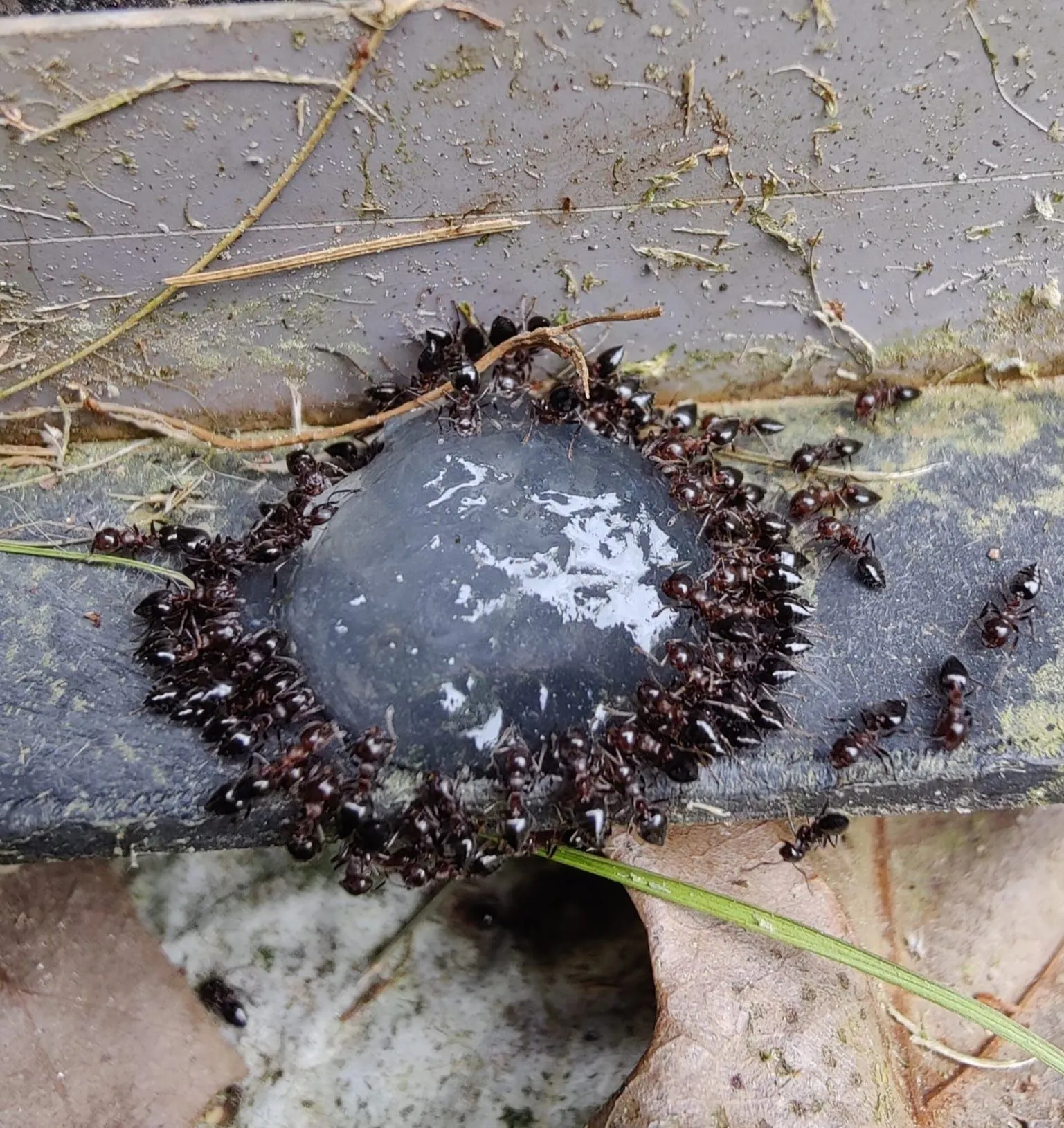
Imported fire ants are invasive, aggressive ants that build dirt mounds in sunny lawns and sting in swarms when disturbed. Most stings cause burning pain and a white pustule, but some people have serious allergic reactions. Hybrid fire ants are the dominant form in East Tennessee and are well established across North Georgia.
Seasonal activity
When they're active in Southeast Tennessee
Fire ants push up fresh mounds after rain, and fall is the best time to bait them.
- January: Low
- February: Low
- March: Moderate
- April: Peak
- May: Peak
- June: Peak
- July: Moderate
- August: Moderate
- September: Peak
- October: Peak
- November: Moderate
- December: Low
Signs you have them
- Domed mounds of loose, crumbly soil in sunny spots, often popping up a day or two after rain
- Mounds built against foundations, driveways, curbs, utility boxes and other surfaces that hold heat
- Ants that boil out aggressively and climb up anything that touches the mound
- Itchy stings in clusters that turn into white pustules a day or so later
- Ants coming up through gaps around plumbing or along baseboards, sometimes in winter
- Soil carried indoors around pipe penetrations under sinks
Why they're a problem here
Two imported fire ant species and their hybrid have spread north from Alabama over the past several decades. University of Tennessee researchers report that the hybrid, which handles cold better than either parent species, is now the dominant fire ant in East Tennessee. Nearly all of Georgia is under federal fire ant quarantine except the far northeast corner, so North Georgia yards near Dalton and Fort Oglethorpe deal with them as a matter of course.
Fire ants aren't just a lawn nuisance. They sting pets, kids and anyone kneeling in the yard, and they damage equipment and gardens. In fall they often shift their mounds toward warm spots like slabs, sidewalks and foundation walls, and from there workers can follow pipes into the house. UT Extension has documented fire ants foraging indoors in January when outdoor temperatures were too cold for them.
How we treat them
Killing one mound at a time rarely keeps up, because small new colonies are easy to miss. Extension specialists recommend a bait-based approach, and that's how we think about it too.
- 01
Broadcast bait
A fire ant bait is spread lightly across the yard when ants are actively foraging, usually when the ground is dry and temperatures are roughly 70 to 85°F. Workers carry it back and share it with the queen and colony, including mounds you can't see yet.
- 02
Treat problem mounds
Mounds near doors, play areas or foundations get an individual treatment a few days later so they don't have to wait for the bait to work.
- 03
Handle indoor ants carefully
When fire ants are inside, a fast-acting spray on the foragers can stop bait from reaching the colony. We use baits labeled for indoor use and treat entry points so the colony itself is controlled.
- 04
Repeat on a schedule
New queens fly in after spring and fall mating flights, so yards get re-infested. A spring and fall treatment schedule keeps numbers down.
Prevention
What you can do today
- Walk the yard every few weeks in spring and fall so you catch small, new mounds
- Treat the whole yard with a labeled fire ant bait instead of chasing individual mounds
- Apply bait only to dry ground with no rain expected for several hours, and use fresh bait
- Don't disturb a mound right before baiting; the ants need to be foraging normally
- Seal gaps around plumbing and utility lines where they enter the foundation
- Keep shrubs and plants from touching the house so foraging ants don't have a bridge inside
- Wear boots and gloves when working in the yard, and check before setting down tools or kneeling
When to call us
Ant control
Species-specific treatment for carpenter, fire, odorous house and pavement ants.
How we treat itQuestions
Imported fire ants FAQ
What should I do if I'm stung by fire ants?
Brush the ants off quickly, since they keep stinging while attached, then wash the area and leave the pustules alone so they don't get infected. Get emergency care right away for chest pain, trouble breathing, swelling of the face or throat, heavy sweating or slurred speech, which can signal a severe allergic reaction. People who've reacted before should talk to their doctor or an allergist.
Why do fire ant mounds appear after it rains?
Wet soil is easy to move, and colonies rebuild and expand their mounds after rain. Mating flights also tend to happen on warm days following rain, and new colonies started by those queens can show up a month or two later. A rainy year usually means more mounds.
Are fire ants in Chattanooga and Cleveland?
Yes. Imported fire ants are established in Southeast Tennessee, and the cold-tolerant hybrid form is the most common fire ant in East Tennessee. North Georgia has had them even longer.
When is the best time to treat fire ants?
Fall is ideal, roughly late August through October, because baiting then knocks colonies down before winter. Spring works too once ants are foraging well. Bait does poorly in cool weather below about 65°F and in the heat of a summer afternoon, so timing matters.
Can fire ants get inside my house?
They can. Colonies nesting against a foundation or under a slab sometimes follow warm pipes indoors, especially during cold snaps, droughts or floods. Indoor fire ants are worth taking seriously because they can sting people who can't easily move away, like infants or bedridden family members.
References
Last fact-checked October 15, 2026.
Think you have imported fire ants?
Tell us what you're seeing and where. We'll call you back to schedule.